

Expanding Impact Through Structured Dialogue: Elevating Civic Competencies
In Phase Two of our project, titled “Capacitation,” we focus intensively on scaling the impact of our civic engagement initiatives by broadening the skill sets of our youth workers and deepening our methodological toolkit. This phase is pivotal as it encompasses training in the Structured Democratic Dialogue Process (SDDP), the creation of a comprehensive SDDP training manual, and the organization of capacity-building seminars. Each of these components plays a crucial role in enabling our youth workers to facilitate effective dialogues and seminars that promote civic and democratic capacities among the youth.
1. Training Youth Workers in Structured Democratic Dialogue Process (SDDP)
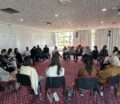
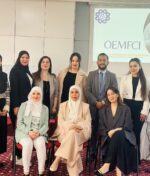
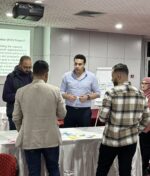
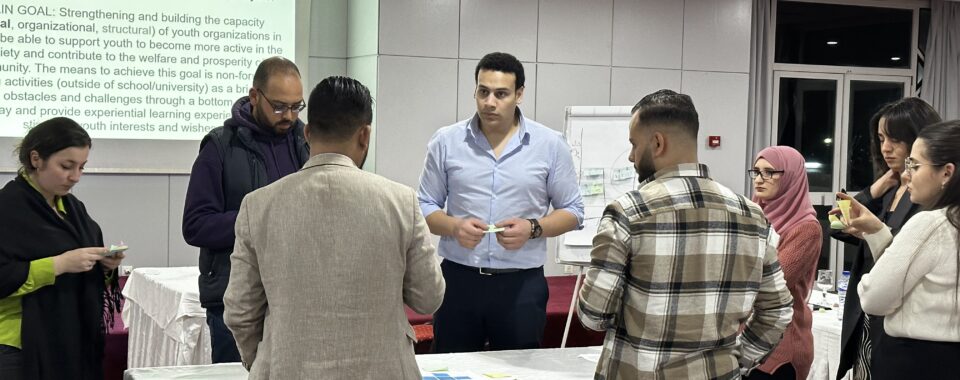
The SDDP is a sophisticated method designed to facilitate structured, meaningful dialogue among diverse groups, making it an invaluable tool in the realm of civic engagement. In this phase, we have committed to training additional youth workers to become experts in SDDP, thereby equipping them with the necessary skills to lead structured dialogues and seminars. These sessions aim to nurture civic and democratic capacities among the youth, fostering an environment where young individuals can engage in productive discussions and develop a deeper understanding of democratic processes.
2. Co-Creation of the SDDP Training Manual and Skills Map
Following the successful training of our youth workers in SDDP, the next step involves harnessing their newfound expertise to create educational materials that can be utilized broadly. This is achieved through a collaborative process involving SDDP experts, RMA-trained youth workers, and the young participants themselves. The outcome of this co-creation process is a dual-format SDDP training manual—available both online and in print. This manual not only includes practical activities and challenges but also provides pedagogical guidelines and tools to aid the implementation of SDDP methodologies in various group settings. The collaborative nature of this process ensures that the manual is comprehensive, practical, and reflective of the needs and insights of its intended users.
3. Organizing Capacity Building Seminars on SDDP for Multipliers
The capacitation phase reaches its peak with the organization of capacity-building seminars aimed at creating a network of SDDP trainers and multipliers. These seminars are led by the 18 educators who initially participated in the SDDP capacity-building efforts. Their task is to use the newly created SDDP manual to train an additional 75 individuals, equipping them with the skills necessary to act as SDDP trainers and multipliers in their respective communities. Feedback collected from these seminars is invaluable as it provides critical insights that are used to fine-tune the SDDP manual. Once finalized, the manual is distributed to over 100 youth workers and various organizations, significantly extending the reach and impact of the program.
Building a Sustainable Framework for Civic Engagement
Phase Two of our project not only enhances the capabilities of individual youth workers but also creates a sustainable framework through which knowledge and skills can be continuously propagated across communities. By investing in the capacitation of our trainers and multipliers, we are ensuring that the principles of democratic engagement and civic participation are spread widely and effectively. This phase is a testament to the power of structured dialogue and collaborative learning in building democratic capacities and empowering young individuals to become active participants in their societies.
The long-term impact of our capacitation phase hinges on the strength and connectivity of the collaborative networks formed between educators, facilitators, and youth participants. By creating robust platforms for these individuals to share insights, experiences, and best practices, we extend the life and influence of each training session beyond its immediate context. These networks serve as a valuable resource for ongoing support and innovation, enabling members to leverage collective knowledge and experiences to address new challenges as they arise. Furthermore, these connections often spark collaborative projects and initiatives that extend the principles of SDDP and civic engagement into broader community and national programs, ultimately fostering a sustainable ecosystem of civic empowerment that resonates across borders and generations.
Stay tuned as we continue to share more about our journey and the impacts of these engaging and innovative approaches to civic education.