

Deepening Civic Engagement Through Active Participation
Introduction: Catalyzing Civic Skills through Hands-On Application
Phase Three of our project, termed “Enhancement,” focuses on actively implementing the training tools and methodologies developed in earlier phases, with an emphasis on piloting and internalizing the SDDP training toolkit. This phase is crucial for transitioning from theoretical training to practical application, providing young people and trainers alike with opportunities to apply their skills in real-world settings. Here, we explore the structured activities that form the backbone of this phase and their impact on fostering civic and transversal skills among youth.
1. Advanced Training for Trainers and Multipliers
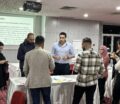
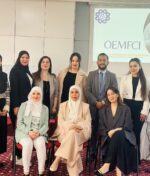
The enhancement phase kicks off with further specialized training for our 18 trainers and multipliers across three capacity-receiving countries. These sessions are designed to deepen their understanding and proficiency in using the SDDP training manual and the RMA methodological manual. Feedback gathered from these local trainings will be invaluable, informing necessary adjustments and improvements to our project outputs. This continuous feedback loop ensures that our training materials remain relevant and effective, reflecting the needs and challenges encountered on the ground.
2. Local “Dialogue for Civic Empowerment Program”
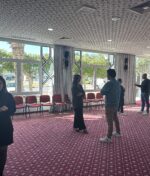
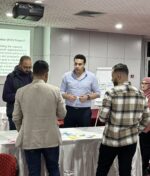
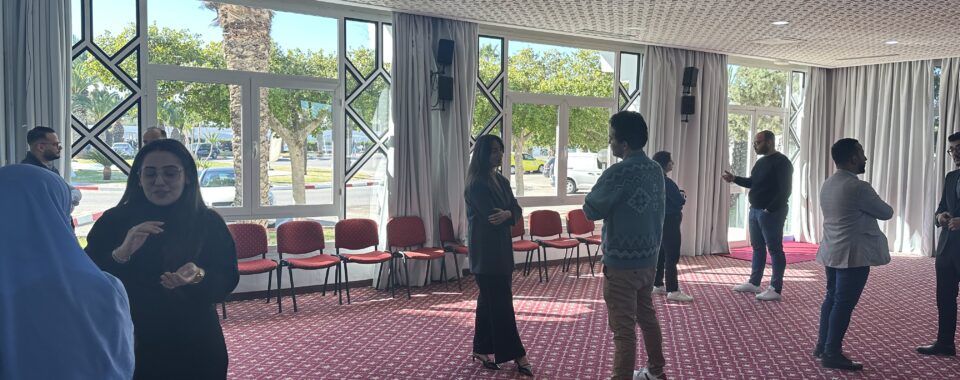
Following their advanced training, the multipliers are tasked with organizing six series of the “Dialogue for Civic Empowerment Program.” Each series targets 25 youngsters, totaling at least 150 participants, and spans 16 days over eight weeks. These local programs are pivotal in increasing the civic skills of the youth by giving them practical experience in structured dialogues and civic engagement using the RMA guide and SDDP manual. This hands-on approach not only reinforces the trainers’ learning but also solidifies the young participants’ understanding and application of civic concepts, preparing them for broader civic participation.
3. Launch of an Online Interactive Platform for Civic Dialogue
A significant milestone in this phase is the creation of an online interactive platform that supports structured civic dialogues. This platform will engage over 300 users, including youth from earlier self-assessment exercises and local programs, along with others interested in civic engagement. Serving as a dynamic space for ongoing participation, the platform allows for the practical application of learned skills and fosters a community of engaged citizens who can continue their civic dialogues beyond the structured settings of training and workshops.
4. Youth Policymaking Conference: A Model Simulation
The phase culminates in a four-day “Youth Policymaking Conference,” a model simulation of a national parliament. This conference invites over 150 young participants to step into the roles of officials in various committees to debate and discuss pressing issues. This highly participatory process is designed to mimic real-life policymaking environments, encouraging participants to negotiate, collaborate, and craft resolutions that address the simulated issues. The experience not only enhances their understanding of governance and policymaking but also empowers them to become proactive contributors to society.
Bridging Theory and Practice and Building long-term Engagement
Phase Three, the Enhancement phase, is about bridging the gap between theoretical knowledge and practical application. By providing platforms for active participation and real-world application, we are not just teaching civic skills—we are instilling a sense of civic responsibility and capability among the youth. As this phase progresses, we look forward to seeing a new generation of civic-minded individuals ready to take active roles in their communities and beyond, equipped with the skills and confidence to effect change.
As we build upon the activities and initiatives of Phase Three, we are also setting the stage for ongoing and future civic engagement. The local “Dialogue for Civic Empowerment Programs” not only serve as immediate platforms for application but also as test beds for refining our educational strategies. Each session conducted provides critical data and insights that help us understand the effectiveness of our approaches and where they can be adapted to better meet the needs of participants. This empirical approach to civic education ensures that our methods stay dynamic and responsive to the evolving civic landscape.
The culmination of this phase in the Youth Policymaking Conference does more than provide a simulation experience; it also seeds the potential for real-world impact. Participants leave equipped not only with knowledge and skills but with firsthand experience in legislative processes and collaborative problem-solving. This immersive experience demystifies the processes of policy-making and instills a realistic sense of empowerment. By integrating the outcomes of these simulations into community discussions and even local policies, we bridge the gap between simulated exercises and actual civic impact, fostering a pipeline for future civic leaders and informed citizens.
Stay tuned as we continue to document our journey and share the outcomes of these enriching activities, marking significant strides in civic empowerment and participatory democracy.